What Is a Vacation? Complete Planning Guide for 2026
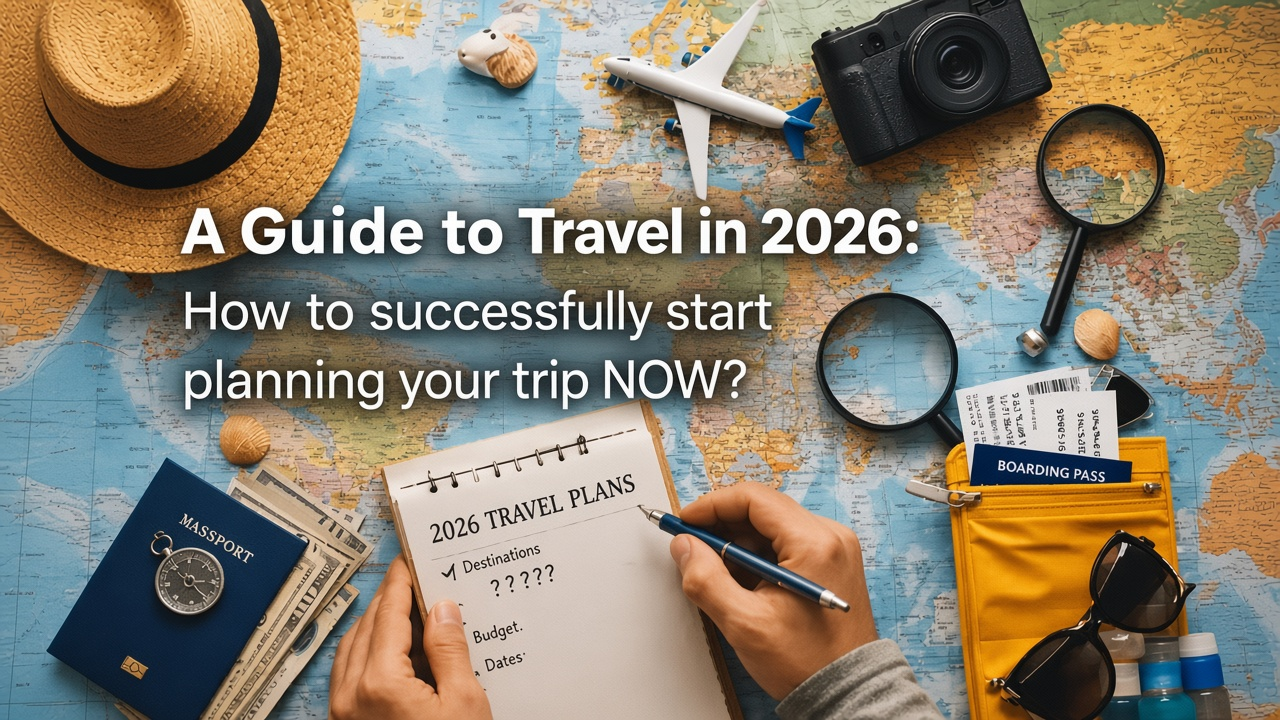
Planning a Vacation can feel exciting at first. Then flights, hotels, budgets, packing, weather, and safety can make the process stressful. A simple plan can remove much of that pressure. This guide explains how to choose a destination, build a realistic budget, prepare documents, pack wisely, stay safe, and enjoy your trip without filling every hour with plans. The goal is a smoother, happier, and more memorable travel experience.
Table of Contents
What Is a Vacation?
A Vacation is a planned period away from your normal work, school, or daily routine. People take vacations for rest, adventure, family time, culture, nature, entertainment, or personal renewal.
A trip can last a weekend or several weeks. It can happen close to home or involve international travel.
A good Vacation does not need to be expensive. What matters most is choosing a destination and travel style that match your time, budget, interests, and energy.
Common types include:
- Beach trips
- City breaks
- Family holidays
- Road trips
- Nature escapes
- Cultural journeys
- Adventure travel
- Wellness retreats
- Solo travel
- Luxury getaways
- Budget travel
- Staycations
The best option depends on what you want from your time away.
Why Is a Vacation Important?
A well-planned Vacation gives you a chance to step away from repetitive routines. It can create time for family, hobbies, nature, food, culture, and new experiences.
Travel can also help you discover places you have never seen before. Even a short local trip can feel refreshing when it gives you a change of scenery.
However, travel should not become another source of pressure. Packing too much into every day can leave you tired instead of refreshed.
The better approach is to create a plan with enough structure to stay organized and enough flexibility to enjoy unexpected moments.
How Do You Choose the Right Vacation Destination?
Start with your purpose.
Ask yourself what you want from the trip. Do you want relaxation, adventure, history, food, shopping, beaches, mountains, or family activities?
Then consider these factors:
- Budget: How much can you comfortably spend?
- Time: How many days can you travel?
- Weather: What conditions do you prefer?
- Transport: How easy is it to reach the destination?
- Activities: What can you realistically do there?
- Safety: Are there current risks or restrictions?
- Documents: Do you need a passport or visa?
- Health: Are there destination-specific health concerns?
For international travel, the U.S. Department of State recommends checking destination advisories, entry requirements, local laws, passport rules, and embassy information before departure.
Vacation Planning: What Should You Do First?
Do not begin by booking everything immediately.
Begin with the destination and travel dates. Once those are clear, compare transportation, accommodation, activities, and daily costs.
A useful planning order is:
Destination → dates → budget → transportation → accommodation → activities → documents → packing
This order can reduce expensive mistakes.
For international trips, official travel guidance recommends researching the destination and checking entry and exit requirements before departure.
How Much Should You Budget for a Vacation?
Your Vacation budget should cover more than your hotel and transportation.
Create separate categories for:
| Expense | What to Include |
| Transportation | Flights, trains, buses, fuel, taxis |
| Accommodation | Hotel, rental, hostel, resort |
| Food | Meals, snacks, drinks |
| Activities | Tours, tickets, attractions |
| Documents | Visa, passport, permits |
| Insurance | Travel or medical coverage |
| Shopping | Gifts and personal purchases |
| Emergency fund | Unexpected expenses |
| Local transport | Public transit, rideshares, parking |
| Miscellaneous | Small purchases and fees |
A simple formula is:
Total trip budget = fixed costs + daily spending + emergency reserve
Try to keep a separate emergency amount. This gives you flexibility if transportation changes, weather disrupts plans, or an unexpected expense appears.
Should You Book Everything Before a Vacation?
Not always.
Some parts of a trip need early booking. Popular flights, hotels, special tours, and limited-entry attractions can sell out.
Other activities may be better left flexible.
A balanced plan could include:
- Book your main transportation.
- Reserve your accommodation.
- Confirm important activities.
- Research backup options.
- Leave free time between major plans.
The National Park Service also recommends checking reservations, fees, operating conditions, and possible closures before visiting a park.
How Do You Build a Vacation Itinerary?
A strong itinerary gives your trip direction without controlling every minute.
Start by grouping activities based on location. This can reduce unnecessary travel across a city.
For example:
Morning: Local attraction
Afternoon: Lunch and nearby sightseeing
Evening: Dinner and relaxed activity
Avoid planning five major attractions in one day. Travel time, queues, meals, weather, and simple rest all take time.
For outdoor travel, the National Park Service recommends having a main plan and a backup plan because conditions can change.
What Should You Pack for a Vacation?
Packing depends on the destination and length of the trip.
Start with essential documents and daily necessities. Then add clothing and activity-specific items.
Basic Packing Checklist
- Passport or identification
- Travel documents
- Payment cards
- Emergency contacts
- Prescription medicines
- Phone and charger
- Appropriate clothing
- Comfortable shoes
- Toiletries
- Weather protection
- Reusable water bottle
- Basic first-aid items
- Copies of important documents
Avoid packing items simply because you might use them.
A lighter bag usually makes transportation easier.
For air travel, check the current baggage and security rules of your airport and airline. The Transportation Security Administration’s official checklist provides packing guidance, including rules for liquids and carry-on screening.
How Can You Make a Vacation More Affordable?
A budget-friendly Vacation does not have to feel cheap.
Start by choosing the biggest expenses carefully. Transportation and accommodation often have a major effect on the total cost.
You can also:
- Travel during less busy periods.
- Compare different accommodation areas.
- Use public transportation where practical.
- Choose a few paid attractions instead of many.
- Eat some meals at affordable local places.
- Set a daily spending limit.
- Book important travel components early when prices are favorable.
- Avoid unnecessary baggage fees.
- Keep an emergency reserve.
Do not sacrifice safety just to save money. A very cheap booking can become expensive if it creates major transport, cancellation, or security problems.
What Documents Do You Need?
Document requirements depend on your destination and nationality.
For international travel, check:
- Passport validity
- Visa requirements
- Entry requirements
- Exit requirements
- Transit rules
- Travel insurance
- Vaccination documentation
- Driving permits
- Accommodation requirements
The U.S. Department of State advises travelers to organize required documents and keep copies separately from their originals.
Do not rely on an old travel checklist. Requirements can change.
Check official government and embassy information close to your departure date.
How Can You Stay Healthy During a Vacation?
Health preparation should begin before departure.
The CDC recommends checking destination-specific health information and discussing vaccines or medicines with a healthcare professional when appropriate. For some international trips, CDC recommends arranging a travel-health appointment several weeks before departure.
During your trip:
- Drink safe water.
- Wash your hands regularly.
- Protect yourself from excessive sun.
- Rest when you feel tired.
- Keep necessary medicines accessible.
- Follow local health guidance.
- Avoid risky activities beyond your experience level.
Your health needs may depend on your destination, activities, age, and medical history.
How Can You Stay Safe While Traveling?
A safe Vacation starts with preparation.
Before leaving, research your destination and understand local rules. The U.S. Department of State recommends reviewing current travel advisories, local laws, entry requirements, and embassy guidance for international destinations.
While traveling:
- Keep valuable items secure.
- Avoid displaying unnecessary amounts of cash.
- Save emergency numbers.
- Keep copies of important documents.
- Tell a trusted person about your itinerary.
- Be careful with unfamiliar transportation.
- Watch for scams.
- Follow local laws.
- Monitor official alerts.
Safety does not mean avoiding fun. It means making informed decisions.
How Can Families Plan a Better Vacation?
Family travel requires more flexibility.
Children may need regular meals, breaks, entertainment, and sleep. Parents should avoid building an itinerary around adult interests alone.
A family-friendly plan can include:
- Shorter travel days
- Child-friendly attractions
- Easy transportation
- Flexible meal times
- Rest periods
- Backup indoor activities
- Familiar snacks
- Simple emergency plans
Allow children to participate in small planning decisions. Choosing one activity can make them more excited about the trip.
How Can Solo Travelers Prepare?
Solo travel offers freedom, but it also requires stronger personal planning.
Before leaving, share important travel details with someone you trust. Keep emergency contacts accessible and understand how to reach local authorities.
The U.S. Department of State recommends travelers understand local conditions and maintain a way for trusted contacts to reach them during international travel.
Solo travelers should also think carefully about:
- Accommodation location
- Night transportation
- Local customs
- Emergency services
- Phone connectivity
- Backup payment methods
- Important document copies
Confidence grows when you know what to do if your original plan changes.
What Makes a Vacation Memorable?
The best Vacation is not always the most expensive one.
Memories often come from simple experiences. A great meal, beautiful sunset, local conversation, scenic walk, family moment, or unexpected discovery can become the highlight of the entire trip.
Try to balance planned activities with open time.
Put your phone away occasionally. Take photographs, but also experience the place directly.
A meaningful trip gives you stories to remember, not just a long list of places visited.
How Can You Avoid Common Vacation Mistakes?
Many travel problems are preventable.
Mistake 1: Overplanning
Too many activities can make a trip exhausting.
Mistake 2: Ignoring Travel Time
A map may make two locations look close, but traffic and public transportation can change the journey.
Mistake 3: Forgetting Extra Costs
Taxes, transport, tips, baggage fees, and attraction charges can increase your budget.
Mistake 4: Ignoring Weather
Always check expected conditions before packing and scheduling outdoor activities.
Mistake 5: Using Outdated Information
Travel rules and destination conditions can change. Always check official information before departure.
Mistake 6: Having No Backup Plan
A cancelled activity does not need to ruin your entire day.
A flexible plan keeps small problems from becoming major frustrations.
How Can Technology Improve a Vacation?
Technology can make travel simpler when used carefully.
Useful tools include:
- Offline maps
- Airline apps
- Hotel apps
- Translation tools
- Digital travel documents
- Weather apps
- Emergency contact lists
- Public transportation apps
- Official destination apps
The National Park Service’s official app provides maps, tours, accessibility information, alerts, and other planning features for U.S. national parks.
Download important information before traveling to areas where mobile service may be limited.
How Can You Plan an Outdoor Vacation?
Outdoor travel requires extra preparation.
Research:
- Weather
- Trail conditions
- Park rules
- Entrance requirements
- Parking
- Reservations
- Water availability
- Emergency services
- Wildlife risks
- Mobile coverage
The National Park Service advises visitors to plan ahead, check current park information, understand reservations or fees, and prepare for unexpected conditions.
For remote activities, tell someone where you are going and when you expect to return.
How Can You Travel More Responsibly?
Responsible travel protects destinations while improving your own experience.
Simple actions include:
- Respect local communities.
- Follow environmental rules.
- Avoid damaging natural areas.
- Dispose of waste properly.
- Respect wildlife.
- Follow photography restrictions.
- Support legitimate local businesses.
- Learn basic local customs.
- Avoid restricted areas.
The National Park Service specifically encourages visitors to respect wildlife and consider how their actions affect plants, animals, other visitors, and ecosystems.
Responsible travel creates better experiences for both visitors and residents.
Vacation Planning Checklist
Use this checklist before departure:
Four to Eight Weeks Before
- Choose the destination.
- Set your budget.
- Check travel documents.
- Research entry requirements.
- Review health guidance.
- Book major transportation.
- Reserve accommodation.
One to Two Weeks Before
- Confirm reservations.
- Check the weather.
- Plan major activities.
- Download useful apps.
- Organize medicines.
- Prepare document copies.
- Review emergency contacts.
One or Two Days Before
- Check transportation updates.
- Charge devices.
- Pack essential items.
- Confirm departure times.
- Check baggage requirements.
- Keep important documents accessible.
During the Trip
- Stay aware of your surroundings.
- Keep important items secure.
- Follow local rules.
- Drink enough water.
- Rest when needed.
- Keep your itinerary flexible.
Complete Vacation Planning Table
| Planning Area | Key Question | Recommended Action |
| Destination | Where should I go? | Match the destination to your interests |
| Dates | When should I travel? | Check weather, crowds, and availability |
| Budget | What can I afford? | Set a total limit and emergency reserve |
| Transport | How will I get there? | Compare practical travel options |
| Hotel | Where should I stay? | Consider location, reviews, and cancellation rules |
| Activities | What should I do? | Select priority experiences |
| Documents | What do I need? | Check official entry requirements |
| Health | Do I need preparation? | Review destination health guidance |
| Packing | What should I bring? | Pack based on weather and activities |
| Safety | What risks exist? | Check official travel guidance |
| Communication | How will I stay connected? | Prepare mobile or offline options |
| Backup | What if plans change? | Keep alternative activities ready |
| Emergency | What if something goes wrong? | Save emergency contacts |
| Environment | How can I travel responsibly? | Respect local communities and nature |
Frequently Asked Questions
1. What is the best way to plan a Vacation?
Answer: Start with your destination, dates, budget, transportation, and accommodation. Then research activities, documents, health needs, and safety information.
2. How long should a Vacation be?
Answer: There is no ideal length for everyone. A weekend can provide a useful break, while longer trips allow deeper exploration.
3. How much money should I save for a Vacation?
Answer: Calculate transportation, accommodation, food, activities, local travel, and an emergency reserve. Your destination and travel style determine the final amount.
4. What should I pack for a Vacation?
Answer: Pack essential documents, medicines, clothing suited to the weather, comfortable shoes, chargers, toiletries, and activity-specific equipment.
5. How can I stay safe on Vacation?
Answer: Research the destination, follow local laws, protect your valuables, keep emergency contacts available, and monitor official travel updates.
6. Can a Vacation be affordable?
Answer: Yes. Choose your destination carefully, control daily spending, compare transportation and accommodation, and avoid unnecessary extras.
Final Thoughts
A successful Vacation starts long before you reach the destination. Smart planning helps you control costs, prepare for unexpected changes, protect your health, and enjoy your time away.
You do not need a perfect itinerary. You need a practical one.
Choose a destination that fits your goals, create a realistic budget, confirm important requirements, pack with purpose, and leave room for discovery. Most importantly, use current official information when making decisions about travel safety, entry rules, health, and local conditions.